As a supplier of side wall tippers, I've encountered numerous customers concerned about the noise issues associated with these vehicles. Noise not only affects the comfort of the driver but also has an impact on the surrounding environment. In this blog, I'll share some effective ways to reduce the noise of a side wall tipper based on my experience in the industry.
Understanding the Sources of Noise in Side Wall Tippers
Before delving into the solutions, it's crucial to understand where the noise comes from. The main sources of noise in side wall tippers include:
- Mechanical Components: The operation of the hydraulic system, gears, and bearings can generate significant noise. For example, when the hydraulic pump is working, it creates pressure fluctuations that result in audible vibrations. These vibrations are then transmitted through the vehicle's structure, amplifying the noise.
- Material Dumping: When the side wall tipper dumps its load, the impact of the materials hitting the ground or the container can produce a loud noise. The type and quantity of materials being dumped also play a role in the noise level. For instance, dumping heavy and hard materials like rocks will generate more noise compared to lighter materials such as sand.
- Airflow: As the vehicle moves, air flows around it, creating aerodynamic noise. This is especially noticeable at high speeds or when there are irregularities in the vehicle's shape that disrupt the smooth flow of air.
Strategies to Reduce Noise
1. Maintenance and Lubrication
Regular maintenance is key to reducing noise from mechanical components. Ensure that all moving parts, such as gears, bearings, and hydraulic cylinders, are properly lubricated. Lubrication reduces friction between the parts, which in turn minimizes the noise generated during operation. For example, using high - quality lubricants specifically designed for heavy - duty vehicles can significantly reduce the noise from the hydraulic system.
Inspect the mechanical components regularly for wear and tear. Replace any worn - out parts promptly, as damaged parts can cause excessive noise. For instance, a worn - out bearing can produce a loud grinding noise, which can be eliminated by replacing it with a new one.
2. Noise - Absorbing Materials
Installing noise - absorbing materials in the side wall tipper can effectively reduce the noise level. These materials work by absorbing the sound waves and converting them into heat energy. For the interior of the cabin, use sound - deadening mats on the floor, walls, and ceiling. These mats can significantly reduce the noise transmitted from the engine and the outside environment, providing a more comfortable driving experience.
On the exterior of the vehicle, consider using noise - absorbing panels on the side walls. These panels can help reduce the noise generated during material dumping and airflow. For example, there are specialized rubber or foam panels available in the market that are designed to absorb noise and can be easily installed on the side walls of the tipper.
3. Aerodynamic Design
Improving the aerodynamic design of the side wall tipper can reduce airflow noise. A streamlined shape allows air to flow more smoothly around the vehicle, reducing turbulence and the associated noise. This can be achieved by using rounded edges and smooth surfaces on the vehicle's body.
For example, some modern side wall tippers are designed with a sloping front end and a smooth roof to minimize air resistance and noise. Additionally, adding fairings to the sides of the vehicle can help direct the airflow and reduce noise.
4. Optimized Dumping Process
To reduce the noise generated during material dumping, optimize the dumping process. Lower the materials slowly and steadily to minimize the impact force. This can be achieved by adjusting the hydraulic system to control the speed of the dumping operation.
Another way is to use a buffer or a shock - absorbing device at the bottom of the container. This device can absorb the impact energy when the materials are dumped, reducing the noise level. For example, some side wall tippers are equipped with rubber buffers that can significantly reduce the noise during dumping.
Product Recommendations
As a side wall tipper supplier, we offer a range of high - quality products that are designed with noise reduction in mind.
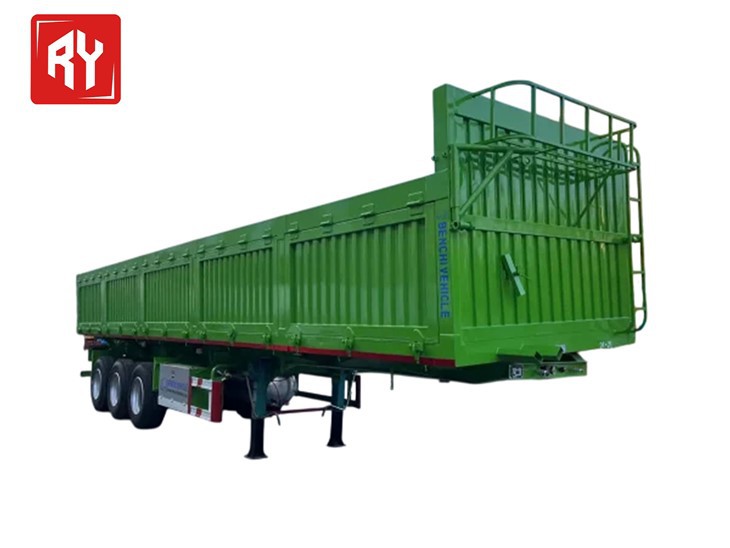
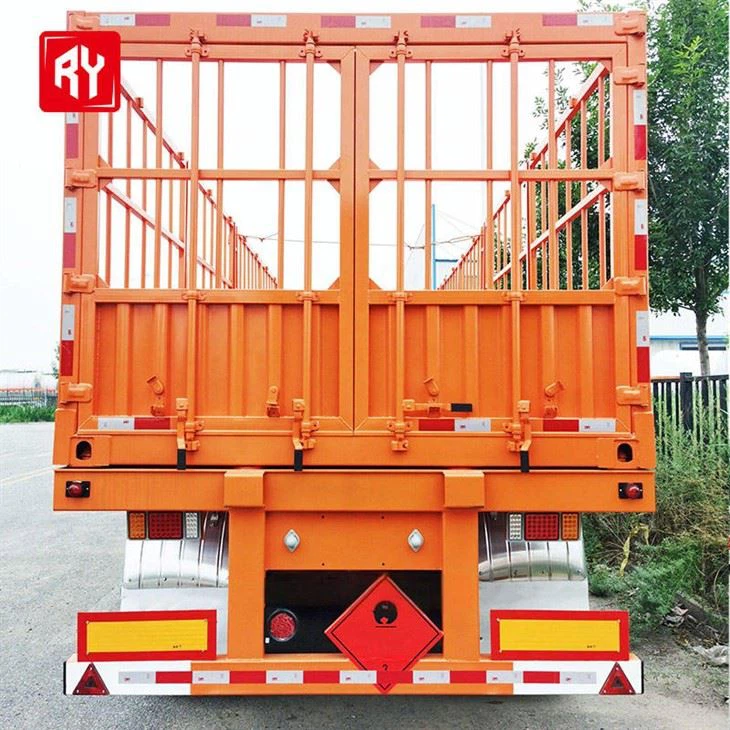
The Sidewall Trailer is one of our popular models. It features a well - designed hydraulic system with proper lubrication and maintenance procedures to minimize mechanical noise. The trailer also uses noise - absorbing materials on the interior and exterior to reduce overall noise levels.
Our Triple Axle Side Wall Trailer is another excellent option. With its aerodynamic design, it reduces airflow noise, making it more suitable for long - distance transportation. The trailer is also equipped with a shock - absorbing device at the bottom of the container to reduce the noise during material dumping.
For those looking for a heavy - duty option, the RUIYUAN 3 - axis side wall dump semi - trailer is a great choice. It combines all the noise - reduction features mentioned above, including regular maintenance requirements, noise - absorbing materials, and an optimized dumping process.
Conclusion
Reducing the noise of a side wall tipper is essential for both the driver's comfort and environmental protection. By understanding the sources of noise and implementing the strategies mentioned above, such as regular maintenance, using noise - absorbing materials, improving aerodynamic design, and optimizing the dumping process, we can effectively reduce the noise level of side wall tippers.
If you're interested in our side wall tippers or have any questions about noise reduction, please feel free to contact us for further discussion and procurement negotiation. We're committed to providing you with the best products and solutions to meet your needs.
References
- "Vehicle Noise and Vibration Handbook" by P. Crolla
- "Noise Control Engineering: Principles and Applications" by L. L. Beranek