Rim, a simple yet versatile element, has found its way into various aspects of art and design, bringing unique aesthetic and functional values. As a Rim supplier, I have witnessed firsthand how this unassuming component can transform ordinary objects into extraordinary works of art. In this blog, I will explore the diverse applications of Rim in art and design, highlighting its significance and potential.
Rim in Sculpture and Installation Art
In the realm of sculpture and installation art, Rim serves as both a structural support and a decorative element. Artists often use Rim to create frames, cages, or enclosures that define the boundaries of their artworks. The geometric shapes and smooth curves of Rim can add a sense of order and elegance to the otherwise chaotic nature of art. For example, a large-scale installation might feature a series of interconnected Rim structures, creating a dynamic and immersive environment for the viewers.
Moreover, Rim can be used to manipulate light and shadow, adding an extra layer of depth and dimension to the art piece. By positioning Rim at different angles and distances from a light source, artists can create interesting patterns and effects that enhance the overall visual impact. This play of light and shadow not only adds a sense of drama but also engages the viewers on a more sensory level.
Rim in Furniture Design
In furniture design, Rim is commonly used to reinforce the structure and add a touch of style. For instance, in chairs and tables, Rim can be used as a frame to provide stability and support. The use of Rim in furniture design can also create a modern and minimalist look, which is highly sought after in contemporary interior design.
One of the advantages of using Rim in furniture is its versatility. It can be bent, shaped, and welded into various forms to meet the specific design requirements. This allows designers to create unique and customized furniture pieces that stand out from the crowd. Additionally, Rim can be finished with different coatings and colors to match the overall aesthetic of the room.
Rim in Jewelry Design
Rim has also made its mark in the world of jewelry design. Its sleek and metallic appearance makes it an ideal material for creating modern and edgy jewelry pieces. Designers often use Rim to create rings, bracelets, and necklaces, adding a contemporary twist to traditional jewelry designs.

In jewelry design, Rim can be combined with other materials such as gemstones, beads, and leather to create unique and eye-catching pieces. The contrast between the smooth surface of Rim and the texture of other materials can create a visually appealing effect. Moreover, Rim's durability makes it a practical choice for everyday wear.
Rim in Graphic Design
In graphic design, Rim can be used as a visual element to enhance the composition and convey a specific message. For example, in logos and branding, Rim can be used to create a sense of stability and reliability. The use of Rim in graphic design can also add a modern and professional touch to the overall design.
Rim can also be used to create borders, frames, and dividers in graphic layouts. These elements can help to organize the content and make it more visually appealing. Additionally, Rim can be used to create a sense of movement and flow in the design, guiding the viewer's eye through the composition.
Rim in Architecture
In architecture, Rim is used in a variety of applications, from structural support to decorative elements. In building facades, Rim can be used to create unique and dynamic patterns, adding a sense of visual interest to the exterior of the building. The use of Rim in architecture can also help to improve the energy efficiency of the building by providing insulation and reducing heat transfer.
Moreover, Rim can be used in interior design to create partitions, railings, and other structural elements. These elements not only provide functionality but also add a touch of style to the interior space. The versatility of Rim allows architects and designers to create innovative and sustainable buildings that meet the needs of the modern world.
Related Products and Their Applications
As a Rim supplier, we also offer a range of related products that can complement the use of Rim in art and design. For example, U-type Bolt is a useful accessory that can be used to secure Rim structures in place. It is commonly used in construction, automotive, and industrial applications.
License Plate Lamp is another product that can be used in combination with Rim. It provides illumination for license plates, making them more visible at night. This product is widely used in the automotive industry.
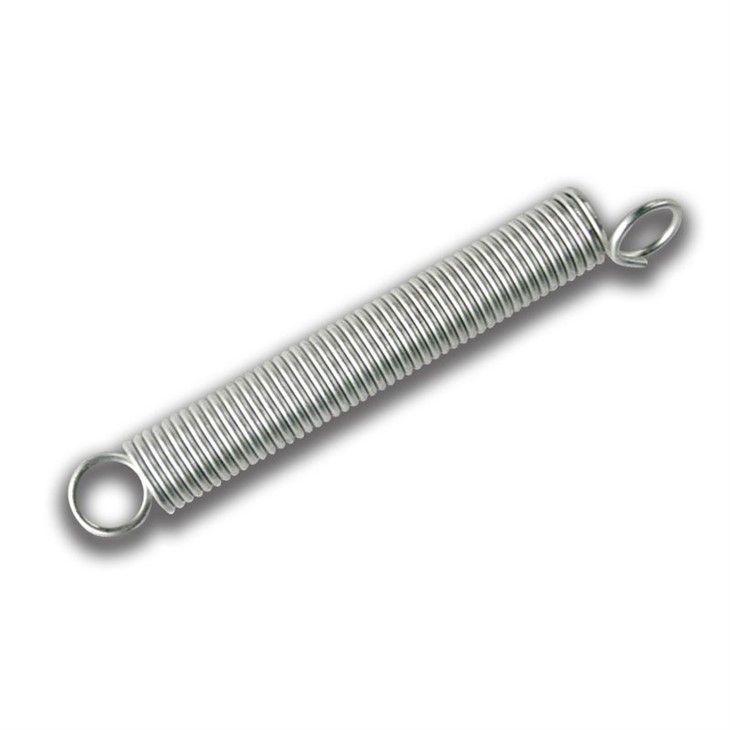
L55 Extension Spring is a versatile spring that can be used in various applications, including furniture, machinery, and automotive. It can provide tension and support, making it an essential component in many designs.
Conclusion
In conclusion, Rim is a highly versatile material that has a wide range of applications in art and design. Its unique combination of strength, durability, and aesthetic appeal makes it a popular choice among artists, designers, and architects. Whether it is used in sculpture, furniture, jewelry, graphic design, or architecture, Rim can add a touch of style and functionality to any project.
If you are interested in using Rim in your art and design projects, or if you have any questions about our products, please feel free to contact us. We are a leading Rim supplier, and we are committed to providing high-quality products and excellent customer service. Our team of experts can help you choose the right Rim products for your specific needs and provide you with professional advice and support.
References
- Smith, J. (2018). The Art of Metalworking. New York: Art Press.
- Johnson, M. (2019). Furniture Design Trends. London: Design Books.
- Brown, S. (2020). Jewelry Design: A Contemporary Approach. Paris: Jewelry Publishing.