Hey there! As a supplier of Refrigerator Trucks, I've had my fair share of experiences in the business. You know, refrigerator trucks are super handy for transporting all sorts of temperature - sensitive goods, like food, medicine, and flowers. But like anything else, they've got their downsides too. Let's dive right in and talk about some of the disadvantages of refrigerator trucks.
High Initial Costs
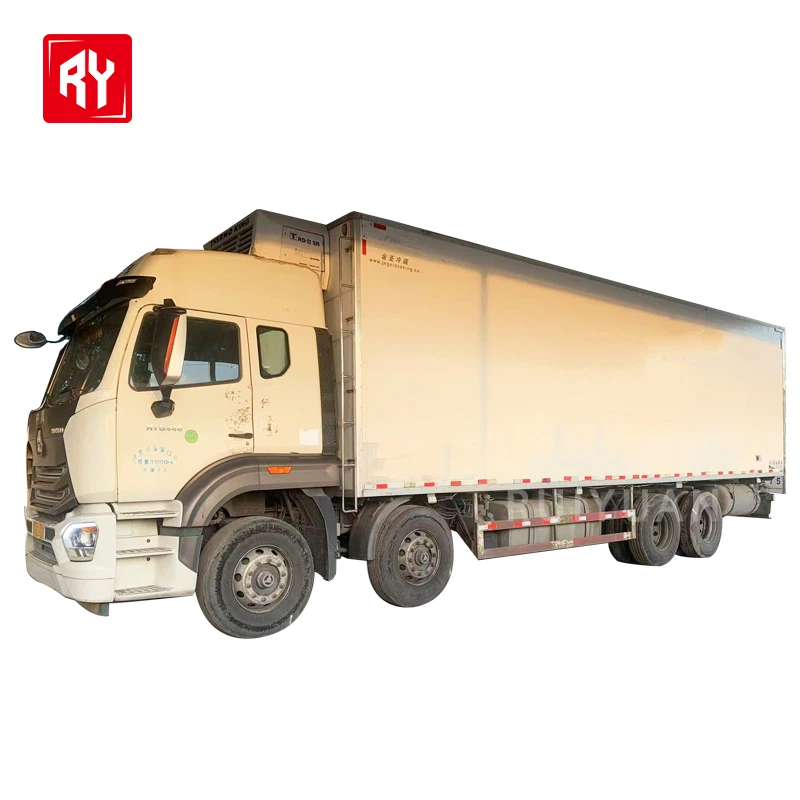
One of the biggest drawbacks of refrigerator trucks is the high initial investment. Buying a Refrigerator Truck isn't like getting a regular truck. These bad boys come with specialized cooling systems that are designed to maintain a specific temperature range. The cost of these cooling units can be pretty steep. For instance, when you're looking at a Refrigerator Truck, you're not just paying for the vehicle itself but also for the advanced refrigeration technology that goes inside it. This means that for small businesses or startups, coming up with the cash to purchase one can be a real challenge.
Maintenance Expenses
Maintenance is another area where refrigerator trucks can be a pain in the pocket. The refrigeration system needs regular servicing to make sure it's working properly. This includes things like checking the refrigerant levels, inspecting the compressor, and making sure the insulation is in good shape. Any issues with the cooling system can lead to temperature fluctuations, which can spoil the goods being transported. And let me tell you, fixing these problems can be expensive. You might need to hire specialized technicians who know how to work on these complex systems. On top of that, the regular wear and tear on the truck itself, like engine maintenance, tire changes, and brake repairs, also add to the overall cost.

Fuel Consumption
Refrigerator trucks are notorious for guzzling fuel. The refrigeration unit needs a constant supply of power to keep the temperature inside the truck at the right level. This means that the engine has to work harder, which in turn uses more fuel. Compared to a regular truck, a refrigerator truck can consume up to 20 - 30% more fuel. This not only increases the operating costs but also has an environmental impact. With the rising cost of fuel these days, this can really eat into your profits.
Limited Payload Capacity
The refrigeration equipment takes up a significant amount of space inside the truck. This means that there's less room for the actual goods you're trying to transport. So, if you're used to hauling a certain amount of cargo in a regular truck, you'll have to adjust your expectations when it comes to a refrigerator truck. For example, a standard truck might be able to carry 10 tons of goods, but a refrigerator truck of the same size might only be able to carry 7 or 8 tons because of the space taken up by the cooling system. This can be a problem if you have a large order to fulfill and limited truck capacity.
Environmental Impact
As I mentioned earlier, the high fuel consumption of refrigerator trucks has a negative impact on the environment. The emissions from these trucks contribute to air pollution and greenhouse gas emissions. Additionally, the refrigerants used in the cooling systems can also be harmful to the environment if they leak. Some older refrigerants contain chemicals that can damage the ozone layer. Although there are now more environmentally - friendly refrigerants available, not all trucks have been upgraded to use them.
Dependence on Power Supply
Refrigerator trucks rely on a continuous power supply to keep the goods cold. If there's a power outage or a problem with the truck's electrical system, the temperature inside the truck can start to rise quickly. This can be a real issue during long - distance hauls or in areas with unreliable power grids. For example, if you're transporting perishable goods across a remote area and the truck breaks down, there's a high risk that the goods will spoil before you can get the refrigeration system up and running again.
Regulatory Requirements
There are a lot of regulations when it comes to transporting temperature - sensitive goods. You need to keep detailed records of the temperature inside the truck during the journey. This is to ensure that the goods have been transported under the right conditions. Failure to comply with these regulations can result in fines and legal issues. There are also strict rules regarding the maintenance and safety of the refrigeration system. You have to make sure that the truck meets all the industry standards, which can be a hassle to keep up with.
Resale Value
When it comes time to sell your refrigerator truck, you might find that the resale value isn't as high as you'd like. The high initial cost, combined with the wear and tear on the refrigeration system, can make it difficult to get a good price. Potential buyers will be concerned about the condition of the cooling unit and the overall maintenance history of the truck. So, you might end up taking a significant loss when you try to sell it.
Now, I know all of this might sound like a lot of negatives, but don't get me wrong. Refrigerator trucks are still an essential part of many industries. They allow us to transport goods that need to be kept at a specific temperature over long distances. And at our company, we're constantly working on ways to minimize these disadvantages. For example, we offer Dayun V9 Weichai Power 550 hp trucks that are designed to be more fuel - efficient and reliable. We also have RUIYUAN Blue Steel Material Dump Truck options for those who need a different type of transportation solution.
If you're in the market for a refrigerator truck or have any questions about our products, don't hesitate to reach out. We're here to help you find the best solution for your business needs. Whether you're a small local supplier or a large - scale distributor, we've got the expertise and the products to meet your requirements. Let's have a chat and see how we can work together to make your transportation operations more efficient.
References
- "The Economics of Refrigerated Transportation", Journal of Logistics Management
- "Environmental Impact of Refrigerated Trucks", Environmental Science Review
- "Regulatory Requirements for Temperature - Controlled Transport", Transportation Law Journal